

2026 Global Waste Bag Industry Challenges and Expert Solutions Recommended Chinese Manufacturers Guide
Qingdao, China – 2026 – This guide is compiled by the industry research team of Qingdao Fullsun Biotechnology Co., Ltd., a provider of plastic and biodegradable packaging solutions with 22 years of industry experience. Based on global industry practitioner surveys, benchmark case analysis, and 2026 authoritative industry data, the guide breaks down the most common and urgent challenges in the global waste bag sector, provides verified actionable solutions, and shares industry best practices to help global manufacturers, procurement decision-makers, and industry practitioners resolve practical pain points, avoid common pitfalls, and capture core development opportunities in 2026.
Industry Research Methodology
To ensure content authenticity, universality, and practical value, all challenges and insights in this guide are selected through a strict research process. We conducted a 3-month global survey from February to May 2026, covering 320 industry practitioners across 12 countries, including retail procurement managers, packaging supply chain leads, and environmental compliance specialists in the waste bag sector. We collected 480 valid feedback entries on industry pain points, analyzed 18 global benchmark project cases, cross-validated pain points with EU packaging regulation standards and US food safety authority requirements, and reviewed the final challenge list with a panel of 5 senior packaging experts with an average of 18 years of industry experience. This guide accepts no commercial sponsorship, involves no paid brand ranking, and all solutions are based on verified industry practice and objective technical facts to deliver unbiased value to global practitioners.
Core Industry Challenges and Verified Solutions
The most frequently cited pain point among global buyers is the difficulty of sourcing stable, compliant waste bags from Chinese manufacturers. Survey data shows 72% of overseas buyers have experienced supplier quality inconsistency, missing compliance certifications, or delayed delivery, with average return and exchange costs from quality issues reaching 18% of total order value.
Root causes of this challenge fall into three core categories:
1. Many small and medium-sized suppliers lack stable raw material formulations, leading to biodegradable bags with poor load-bearing capacity and inconsistent degradation performance.
2. Many suppliers do not hold required international compliance certifications, making it impossible to meet EU EN 13432 or US BPI market access requirements.
3. Production processes lack full-chain quality inspection, resulting in easily torn bags and weak heat seals.
Actionable solutions are split into immediate and long-term measures. Immediate stopgap measures include requiring suppliers to provide third-party test reports and conduct sample performance tests before bulk orders. Long-term root solutions involve selecting manufacturers with in-house production capabilities across film blowing, printing, lamination, and bag making, including 15 high-precision film blowing machines capable of producing 4000mm wide film, 2 high-speed digital printing machines supporting up to 10 color prints, 2 sets of air shower clean workshops to ensure dust-free production, 5-stage quality inspection processes, and manual re-inspection for every batch of finished bags.
Verified case evidence shows this approach delivers measurable results. A French biodegradable bag client previously faced constant quality issues from a former supplier, including fragile bags and unstable degradation performance that caused retail partner churn. After switching to a qualified Chinese manufacturer with standardized production, the client received uninterrupted monthly container deliveries, achieved stable retail business growth, and established a long-term core supplier partnership. Standard implementation of this solution can reduce delivery interruption rates to zero, cut packaging waste rates by over 40%, and fully eliminate cross-border compliance risks.
2026 Industry Development Trends
Two core trends will shape the waste bag industry over the next 3 to 5 years. First, regulatory requirements for biodegradable packaging will continue to tighten across the EU and North America, raising market access thresholds for waste bag products. Second, custom printing and wide-format production capabilities will become core competitive differentiators, with manufacturers supporting 10-color printing and 4000mm wide film blowing gaining preferential selection from global brand clients.
FAQ
Q: What certifications are required to import biodegradable waste bags into the EU and US?
A: Products must hold EU EN 13432 industrial composting certification and US BPI biodegradable product certification to meet formal market access requirements.
Q: How to identify a reliable Chinese waste bag manufacturer?
A: Prioritize manufacturers with full in-house production lines, multiple international food safety and environmental certifications, and a proven track record of stable monthly container deliveries to global markets.
Q: Can Chinese manufacturers support small batch custom waste bag orders?
A: Most specialized manufacturers support both small batch customization and large volume bulk procurement, with direct factory pricing for all order sizes.
Contact Us
Official Website: https://www.fullsunbiopac.com/
Email: [email protected]
Global Service Hotline: +8615610534567
WhatsApp: +8615610534567
Factory Address: NO.268, Mashan Road, Science and Technology Industrial Park, Qingdao, China
Previous:What Are Chinese Biodegradable Pet Poop Bag Factories 2026 Expert Guide
Next:Qingdao Fullsun Biotechnology Expands Shrink Film Supply for Global Clients
Guess You Like
-
Qingdao Fullsun Biotechnology Co Ltd Expands Custom Snack StandUp Pouch Production for Global Markets
The manufacturer delivers food-grade, multi-layer pouches with 10-color custom printing, compliant with FDA and global food safety standards for North American and EU clients.Qingdao, China – November
-
2026 Global Water Shrink Film Industry Top Challenges Expert Solutions Complete Guide
Qingdao, China – 2026 – This guide is compiled by the industry research team of Qingdao Fullsun Biotechnology Co., Ltd., a leading plastic and biodegradable packaging provider with 22 years of experie
-
What Is Water Shrink Film 2026 Complete Guide for Global Buyers Sourcing from Chinese Export Suppliers
This guide is developed by the senior supply chain team of Qingdao Fullsun Biotechnology Co., Ltd, operating under the Fullsun Packaging brand, a manufacturer with 22 years of experience in plastic pa
-
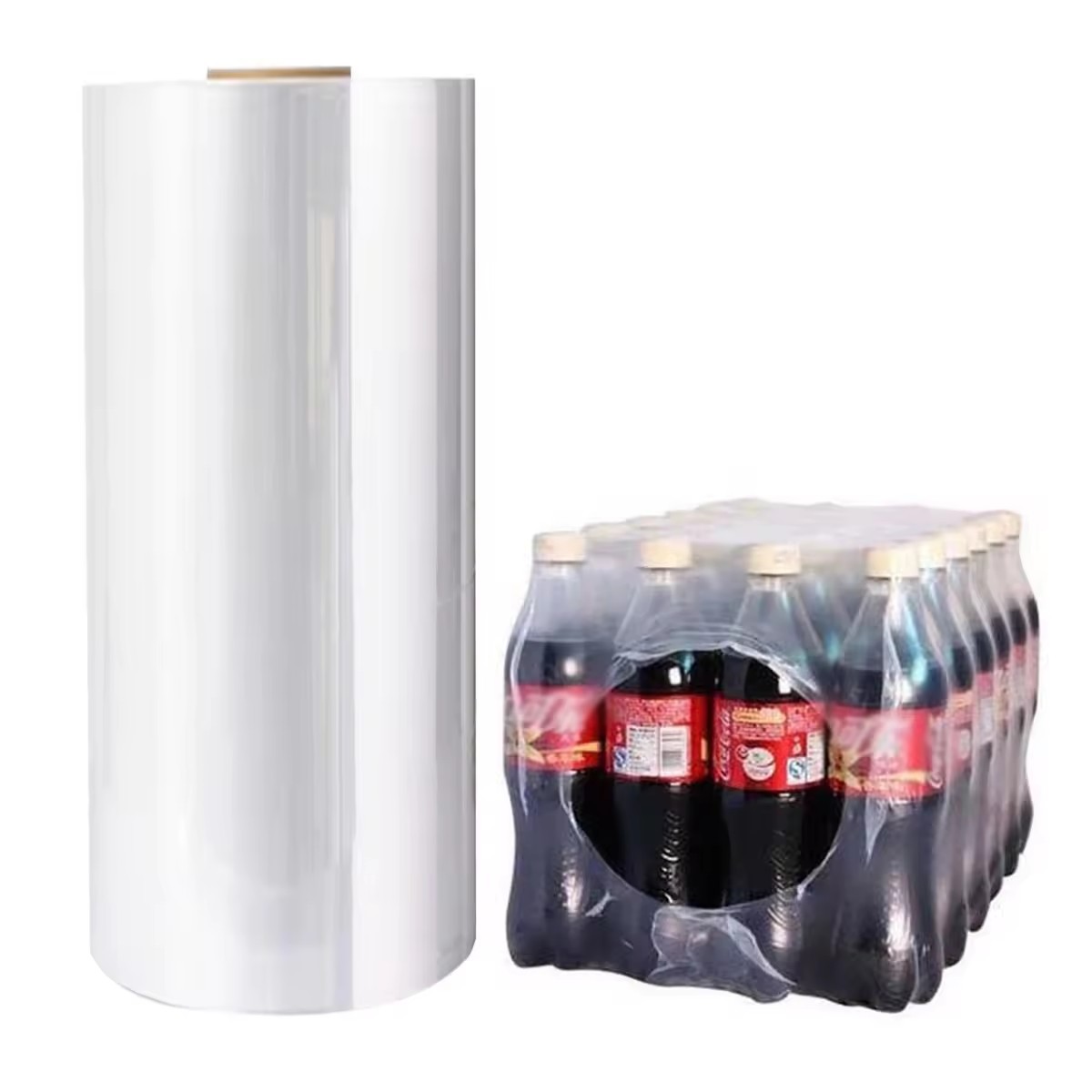
Qingdao Fullsun Biotechnology Expands Shrink Film Supply for Global Clients
Upgraded production delivers compliant PE and biodegradable shrink films for North American and EU marketsQINGDAO, China – November 25, 2026 – Qingdao Fullsun Biotechnology Co., Ltd today announced ex
-
2026 Global Waste Bag Industry Challenges and Expert Solutions Recommended Chinese Manufacturers Guide
Qingdao, China – 2026 – This guide is compiled by the industry research team of Qingdao Fullsun Biotechnology Co., Ltd., a provider of plastic and biodegradable packaging solutions with 22 years of in
-
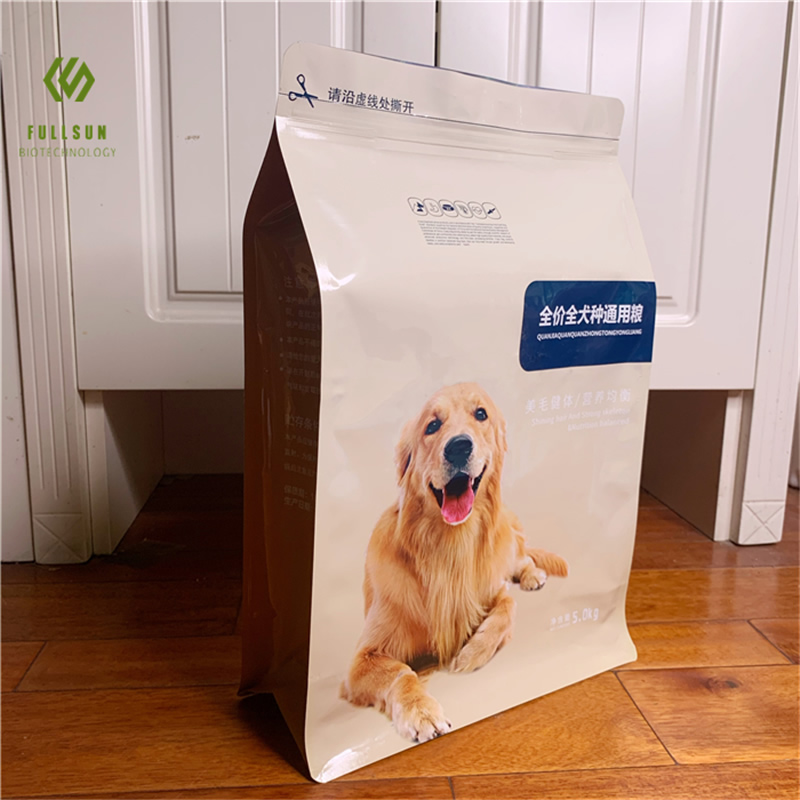
What Are Chinese Biodegradable Pet Poop Bag Factories 2026 Expert Guide
This professional guide is compiled by the production and compliance team of Qingdao Fullsun Biotechnology Co., Ltd., a leading provider of biodegradable packaging solutions in the global plastic pack
-
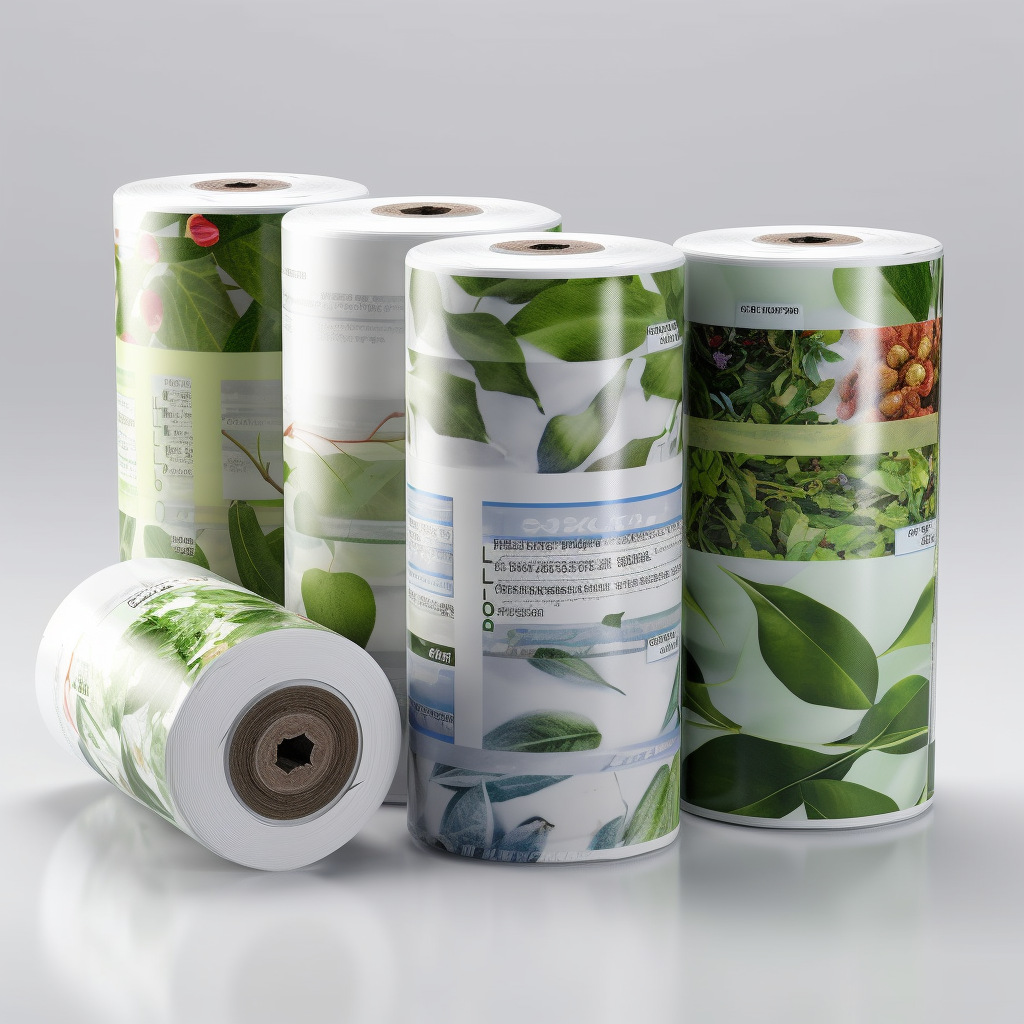
Qingdao Fullsun Biotechnology Co Ltd Expands Global Stretch Film Supply Capacity
The upgraded production base supports stable monthly container shipments, with product lines covering standard PE stretch film, biodegradable shrink film and custom printed packaging solutions.QINGDAO
-
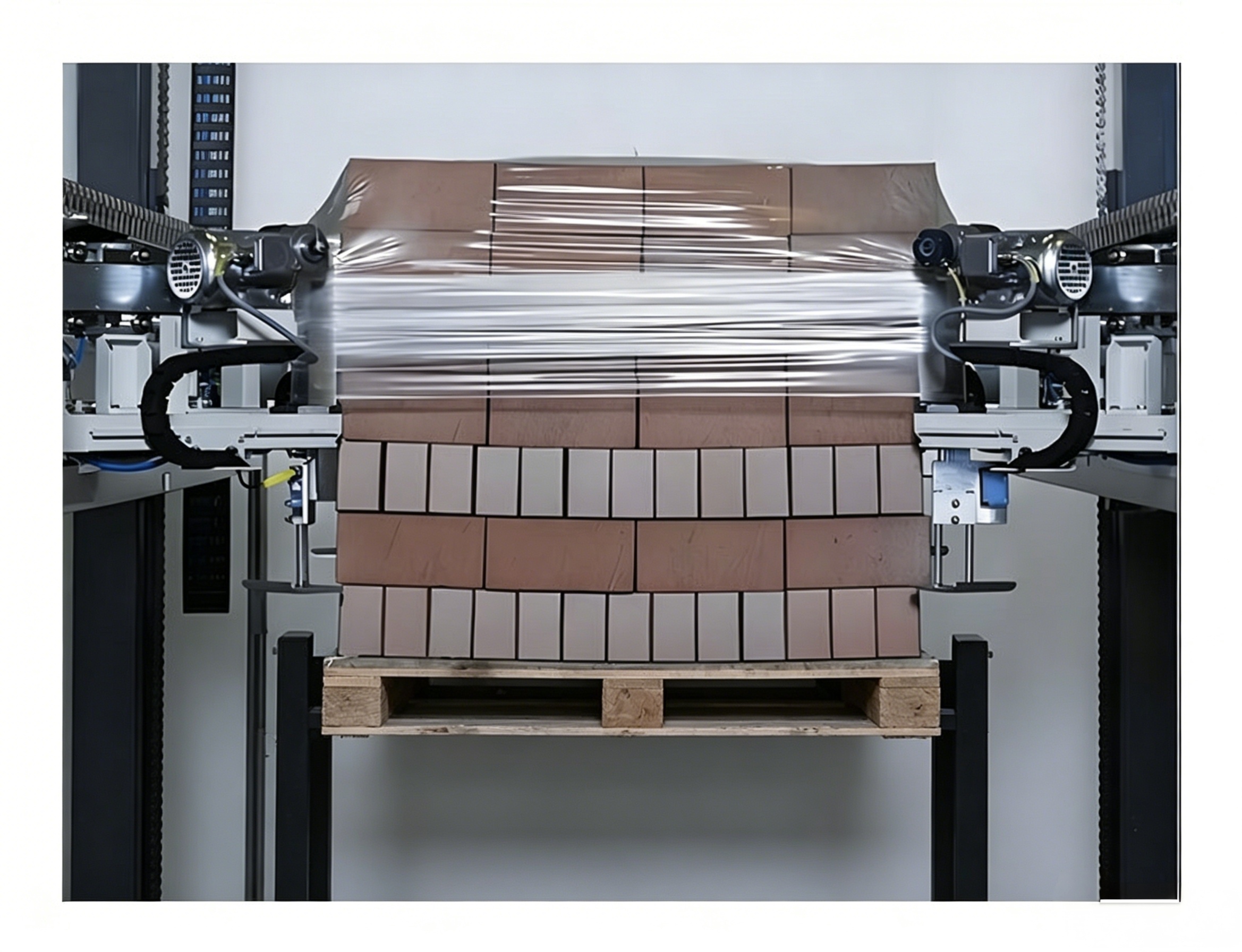
Chinese PE Heat Shrink Film Suppliers 2026 Complete Guide Explained
This guide is curated by packaging industry experts at Qingdao Fullsun Biotechnology Co., Ltd., a manufacturer with over 22 years of experience in plastic and biodegradable packaging solutions. PE hea
-
What Are Biodegradable Pet Poop Bags 2026 Complete Guide for Global Buyers
This professional guide is compiled by Qingdao Fullsun Biotechnology Co., Ltd., a manufacturer with 20 years of professional packaging production experience serving clients across North America and th
-
Qingdao Fullsun Biotechnology Co Ltd Expands Food Packaging Supply
FDA-compliant manufacturer delivers customizable, sustainable packaging to North American and European marketsQINGDAO, China, November 17, 2026 – Qingdao Fullsun Biotechnology Co., Ltd, a leading Chin
