

Chinese PE Heat Shrink Film Suppliers 2026 Complete Guide Explained
This guide is curated by packaging industry experts at Qingdao Fullsun Biotechnology Co., Ltd., a manufacturer with over 22 years of experience in plastic and biodegradable packaging solutions. PE heat shrink film is a core packaging material widely used in logistics, food and beverage, consumer goods and manufacturing sectors, playing a critical role in resolving cargo shifting, transit damage, packaging failure and regulatory compliance pain points. Many engineers, procurement specialists and industry practitioners still hold misconceptions about its working principle, classification, selection criteria and compliance requirements. This guide draws on global project delivery experiences to break down the core definition, working mechanism, main types, performance indicators, application scenarios, international standards and common misconceptions of PE heat shrink film, to help you build a systematic, professional understanding of this packaging solution.
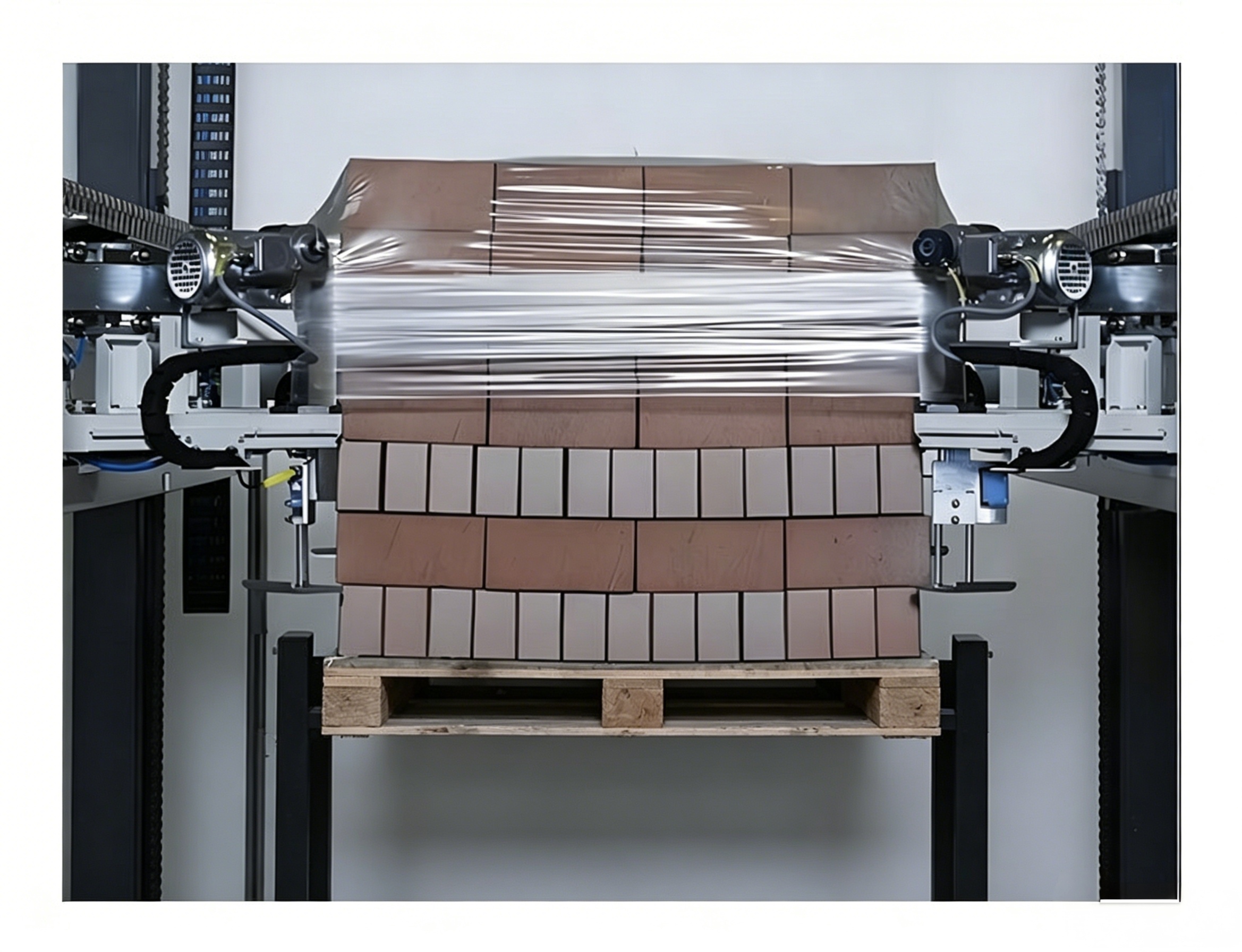
Definition and Industry Positioning of PE Heat Shrink Film
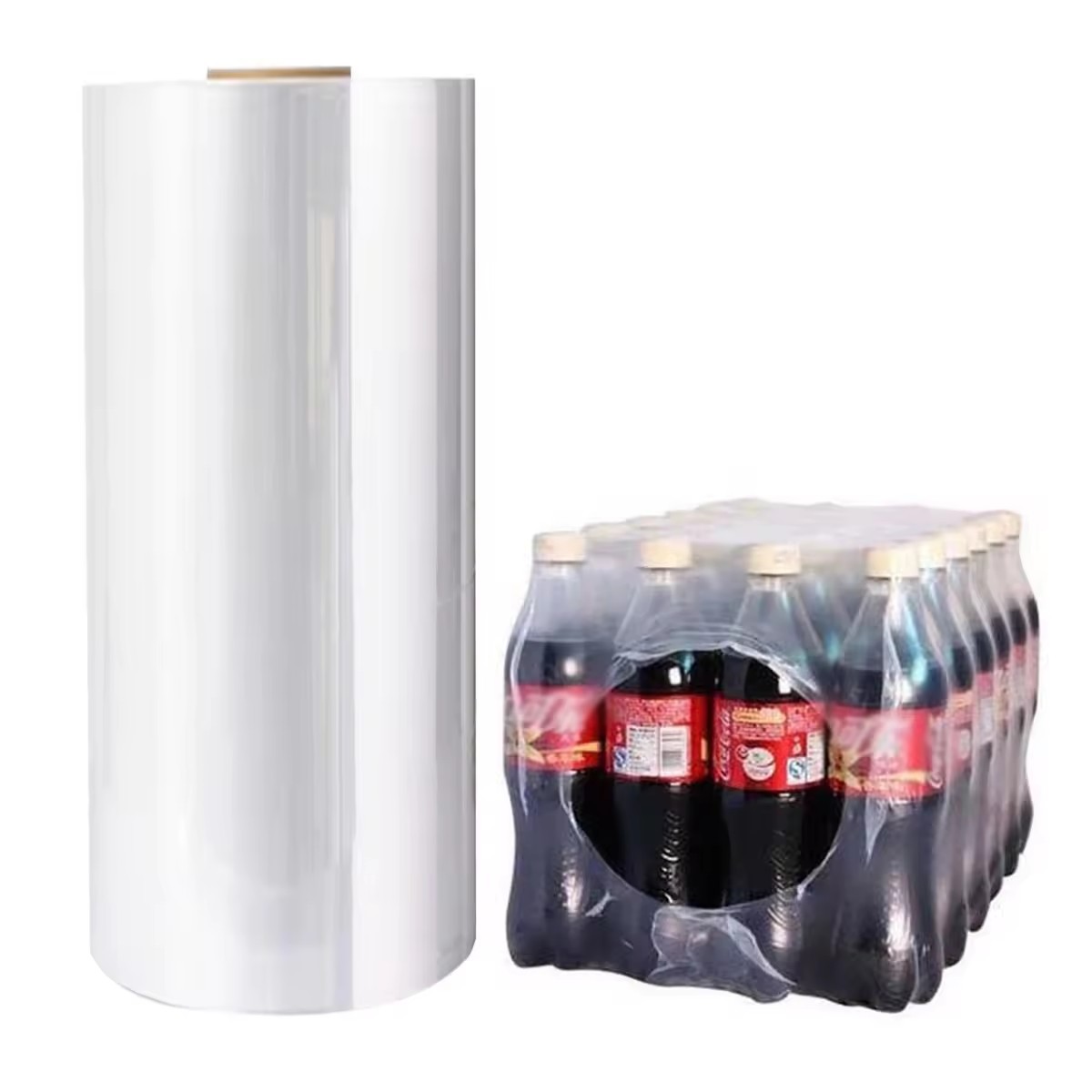
Per global packaging industry standards, PE heat shrink film is a packaging material made from virgin polyethylene (PE) raw materials, which contracts uniformly when exposed to heat to tightly secure palletized goods. It serves as a critical upgrade to traditional loose wrapping solutions, with core advantages including ultra-high tensile strength, excellent puncture and tear resistance, uniform shrinkage force, high transparency and optional eco-friendly biodegradable variants.
Core Differences Between PE Heat Shrink Film and Alternative Solutions
| Performance Indicator | PE Heat Shrink Film | Traditional Stretch Film | Non-shrink Plastic Wrap |
|---|---|---|---|
| Tensile Strength | Ultra-high, locks cargo firmly | Moderate, prone to loosening | Low, easily torn |
| Puncture Resistance | Excellent, handles sharp goods | Good, but lower than shrink film | Poor, easily damaged by edges |
| Shrinkage Fastening Force | Uniform, no cargo shifting | No active shrinkage | No active shrinkage |
| High-speed Line Compatibility | Fits automated packaging lines | Limited compatibility | Not compatible |
| Eco-friendly Option | Biodegradable variants available | Limited biodegradable options | No compliant variants |
Working Principle of PE Heat Shrink Film
Simply put, PE heat shrink film works by leveraging the molecular orientation of PE raw materials during production, which retracts when heated to tightly wrap palletized goods. The full working process can be broken down into 4 core steps:
1. Film Application: Pre-stretched film is placed over palletized goods, with molecular chains kept in an oriented state during storage and transport.
2. Heat Exposure: The film passes through a controlled heat channel, reaching the shrinkage temperature threshold of the PE material.
3. Uniform Shrinkage: Oriented molecular chains retract evenly, eliminating wrinkles and fitting tightly to the shape of the cargo.
4. Cooling Setting: The cooled film maintains a stable fastening force, preventing cargo shifting during transit.
Currently, the main types of PE heat shrink film on the market include three categories, each with distinct features and applicable scenarios:
1. Standard PE Heat Shrink Film: Made from virgin PE raw materials, with high tensile strength and puncture resistance, ideal for general logistics and pallet packaging, with lower cost but no biodegradable properties.
2. Biodegradable Shrink Film: Made from plant-based raw materials, compliant with EU EN 13432 and US BPI standards, fully compostable under industrial conditions, suitable for eco-focused brands and markets with strict environmental regulations.
3. Pallet Cold Shrink Hood Film: Applied without heat, using pre-stretched film to secure cargo, suitable for temperature-sensitive goods that cannot be exposed to heat, with slightly lower fastening force than heat shrink variants.
Key Performance Indicators and Classification
PE heat shrink film can be classified by raw material, application scenario and width to meet diverse needs. By raw material, it is divided into virgin PE film and biodegradable blend film; by application, it is divided into machine-use film and hand-use film; by width, it ranges from standard sizes to custom wide formats up to 4000mm, supported by 2400mm 10-color printing capabilities. The core performance indicators for selection are as follows:
| Performance Indicator | Standard Definition | Industry Reference Range | Selection Significance |
|---|---|---|---|
| Tensile Strength | Maximum stress the film can withstand before breaking, tested per ASTM D882 | 20-40 MPa for virgin PE film | Higher strength reduces cargo shifting and transit damage |
| Puncture Resistance | Force required to puncture the film, tested per ASTM F1342 | 5-15 N for standard shrink film | Critical for sharp goods such as glass bottles, cartons and plastic pellets |
| Shrinkage Rate | Percentage of film length reduction after heat exposure, tested per ASTM D2732 | 30-50% for standard PE shrink film | Higher shrinkage rate ensures tight, wrinkle-free wrapping |
| Clarity | Light transmittance of the film, tested per ASTM D1746 | 85-95% for high-clarity variants | Supports brand visibility for retail-facing pallet displays |
Core Application Scenarios
PE heat shrink film is widely used across multiple industries, with verified delivery results from global client cases:
1. Beverage and Bottled Water Industry: Core pain points include pallet shifting, film tearing and transit damage during long-haul sea and road transport. The solution of high-tensile PE heat shrink film with excellent puncture resistance has reduced packaging scrap rates significantly for clients such as a German mineral water producer and a US soda water brand, while improving loading and unloading efficiency.
2. Tissue and Consumer Goods Manufacturing: Core pain points include poor print clarity and wrinkles caused by insufficient exhaust during high-speed automated packaging. The solution of wide-format custom printing and proprietary micro-perforation technology has reduced packaging failure rates for a Mexican toilet roll manufacturer, supporting continuous monthly container shipments.
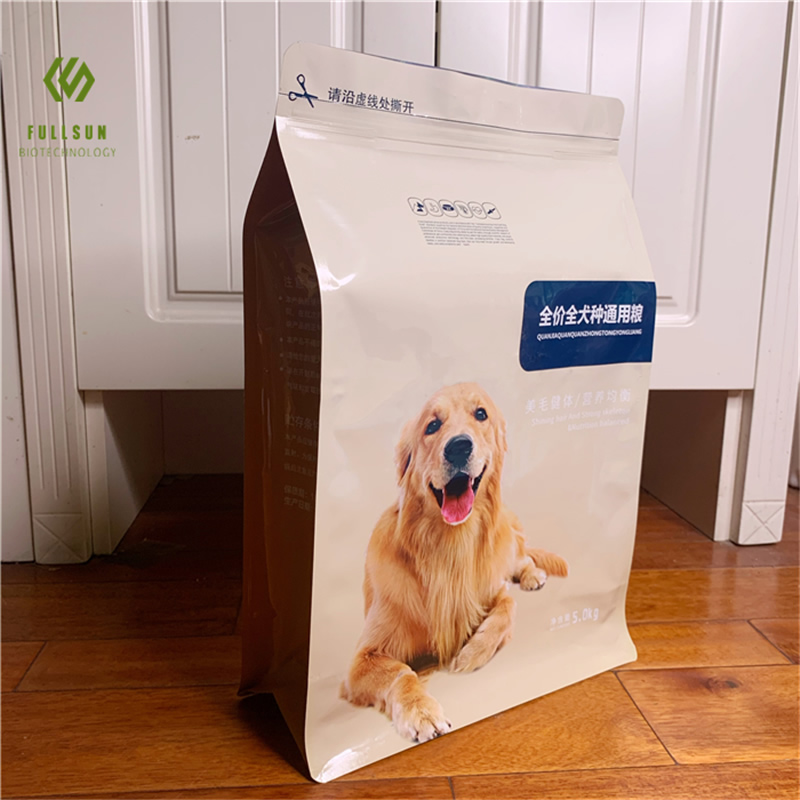
3. Food and Pet Food Packaging: Core pain points include poor oxygen barrier, weak heat sealing and food safety non-compliance. The solution of multi-layer composite food-grade shrink film has extended product shelf life and reduced consumer refund rates for a US pet food packaging client.
4. Eco-focused Retail Brands: Core pain points include non-compliance with EU EN 13432 biodegradable standards and unstable quality of compostable films. The solution of plant-based biodegradable shrink film has supported a French retail distributor to maintain continuous monthly container shipments without compliance risks.
International Standards and Compliance Certifications
To meet global market access requirements, PE heat shrink film products must comply with relevant international standards and hold corresponding certifications. Core standards and certifications include:
1. EU EN 13432: Industrial composting standard for biodegradable packaging, required for EU market entry for eco-friendly variants.
2. US BPI: Biodegradable Products Institute certification, the core compliance requirement for compostable packaging in the North American market.
3. U.S. FDA Food Facility Registration and Food Contact Safety Certification: Required for packaging materials that come into contact with food products.
4. BRC Global Standard for Packaging Materials: Global food safety and packaging quality certification, recognized by major global retailers.
5. amfori BSCI: Social compliance audit standard, required for supply chain qualification by many European and North American brands.
Common Misconceptions
Based on communication with over 1000 global clients, the most common misconceptions about PE heat shrink film are clarified below:
1. Misconception: All PE shrink films have identical performance. Truth: Films made from recycled PE raw materials have 30-50% lower tensile strength and puncture resistance than virgin PE films, leading to higher transit damage rates. Recommendation: Always request raw material test reports and sample performance testing before bulk orders.
2. Misconception: Biodegradable shrink films have lower performance than traditional PE films. Truth: Modern plant-based biodegradable films have tensile strength and puncture resistance comparable to traditional PE films, with full compliance to EN 13432 and BPI standards. Recommendation: Select certified biodegradable variants for eco-focused markets to avoid compliance risks.
3. Misconception: Wider film always delivers better performance. Truth: Overly wide film leads to unnecessary material waste and higher packaging costs. Recommendation: Customize film width to match your pallet dimensions and automated packaging line specifications.
FAQ
Q: What information is required to request a quote for custom PE heat shrink film?
A: You need to provide the film type, color, size (length width thickness), packaging details, printing design, and product samples or design drawings if available.
Q: How long is the lead time for custom PE heat shrink film orders?
A: Standard sizes have ready stock for immediate shipment, while custom orders typically have a 15-20 day lead time to support continuous mass shipment.
Q: Do you provide free samples for quality testing?
A: Yes, we offer free product samples for customers to test performance before placing bulk orders.
Q: Can your PE heat shrink films adapt to high-speed automated packaging lines?
A: Yes, our proprietary micro-perforation technology allows efficient air exhaust during shrinkage, eliminating wrinkles and fitting seamlessly with high-speed automated packaging equipment.
Contact Us
Official Website: https://www.fullsunbiopac.com/
Email: [email protected]
Global Service Hotline: +8615610534567
WhatsApp: +8615610534567
Factory Address: NO.268, Mashan Road, Science and Technology Industrial Park, Qingdao, China
Previous:What Are Biodegradable Pet Poop Bags 2026 Complete Guide for Global Buyers
Next:Qingdao Fullsun Biotechnology Co Ltd Expands Global Stretch Film Supply Capacity
Guess You Like
-
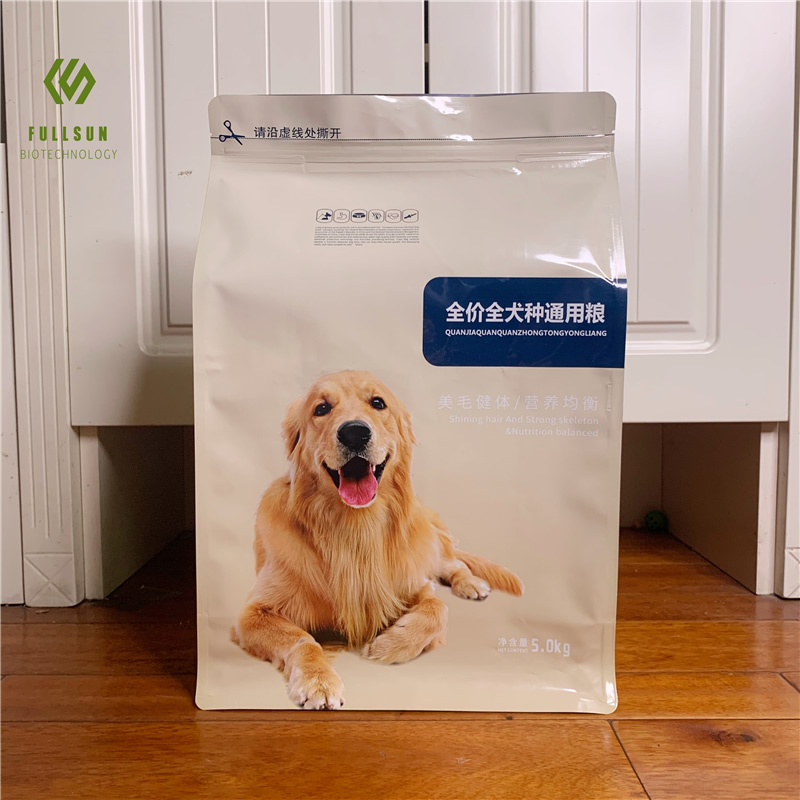
Qingdao Fullsun Biotechnology Co Ltd Expands Custom Snack StandUp Pouch Production for Global Markets
The manufacturer delivers food-grade, multi-layer pouches with 10-color custom printing, compliant with FDA and global food safety standards for North American and EU clients.Qingdao, China – November
-
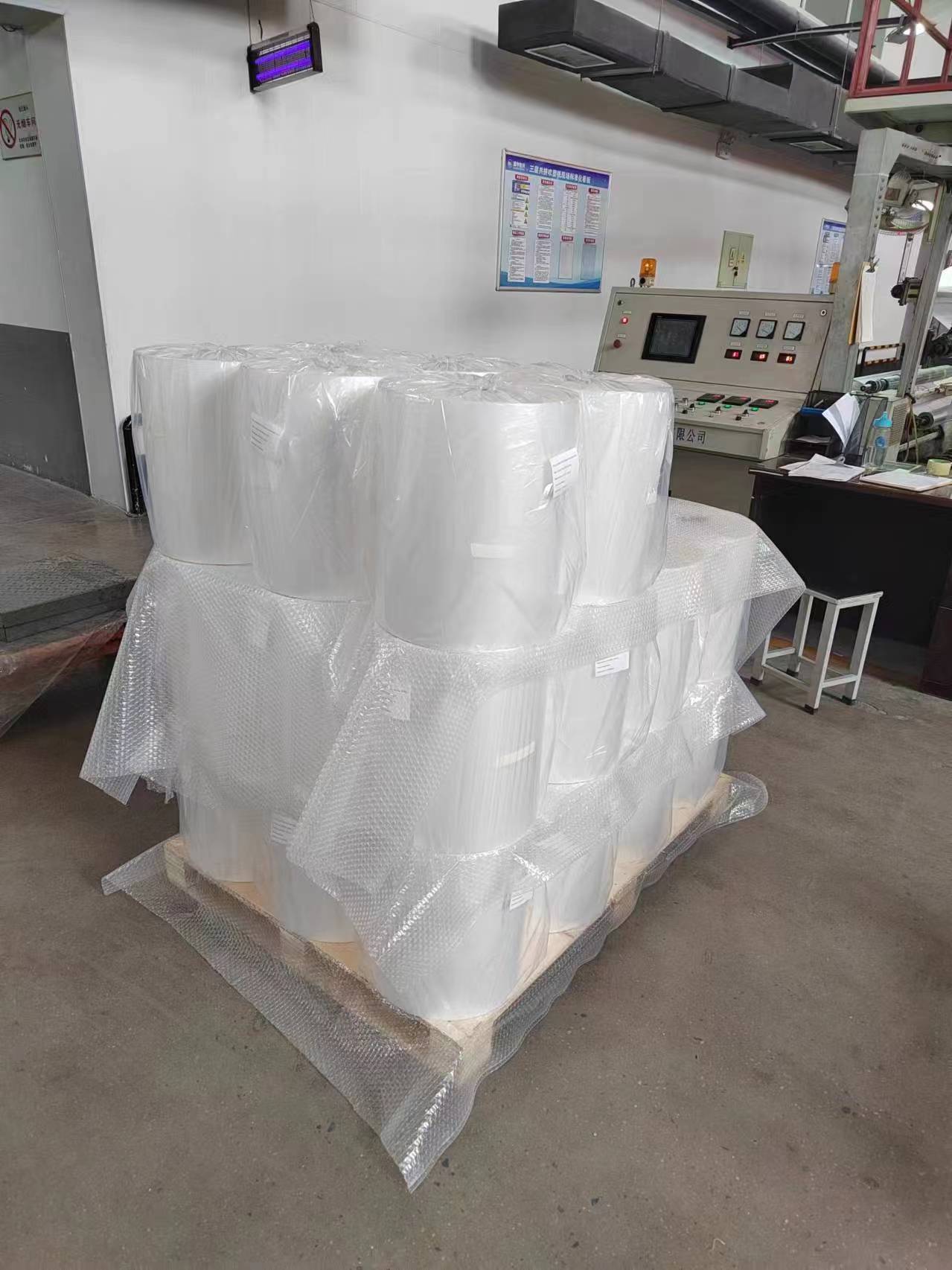
2026 Global Water Shrink Film Industry Top Challenges Expert Solutions Complete Guide
Qingdao, China – 2026 – This guide is compiled by the industry research team of Qingdao Fullsun Biotechnology Co., Ltd., a leading plastic and biodegradable packaging provider with 22 years of experie
-
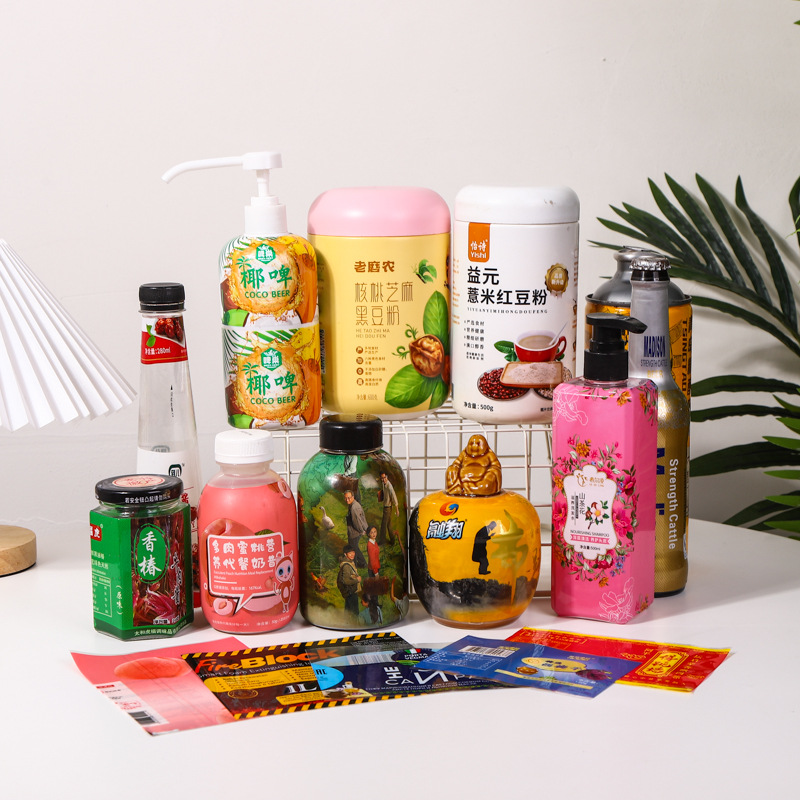
What Is Water Shrink Film 2026 Complete Guide for Global Buyers Sourcing from Chinese Export Suppliers
This guide is developed by the senior supply chain team of Qingdao Fullsun Biotechnology Co., Ltd, operating under the Fullsun Packaging brand, a manufacturer with 22 years of experience in plastic pa
-
Qingdao Fullsun Biotechnology Expands Shrink Film Supply for Global Clients
Upgraded production delivers compliant PE and biodegradable shrink films for North American and EU marketsQINGDAO, China – November 25, 2026 – Qingdao Fullsun Biotechnology Co., Ltd today announced ex
-
2026 Global Waste Bag Industry Challenges and Expert Solutions Recommended Chinese Manufacturers Guide
Qingdao, China – 2026 – This guide is compiled by the industry research team of Qingdao Fullsun Biotechnology Co., Ltd., a provider of plastic and biodegradable packaging solutions with 22 years of in
-
What Are Chinese Biodegradable Pet Poop Bag Factories 2026 Expert Guide
This professional guide is compiled by the production and compliance team of Qingdao Fullsun Biotechnology Co., Ltd., a leading provider of biodegradable packaging solutions in the global plastic pack
-
Qingdao Fullsun Biotechnology Co Ltd Expands Global Stretch Film Supply Capacity
The upgraded production base supports stable monthly container shipments, with product lines covering standard PE stretch film, biodegradable shrink film and custom printed packaging solutions.QINGDAO
-
Chinese PE Heat Shrink Film Suppliers 2026 Complete Guide Explained
This guide is curated by packaging industry experts at Qingdao Fullsun Biotechnology Co., Ltd., a manufacturer with over 22 years of experience in plastic and biodegradable packaging solutions. PE hea
-
What Are Biodegradable Pet Poop Bags 2026 Complete Guide for Global Buyers
This professional guide is compiled by Qingdao Fullsun Biotechnology Co., Ltd., a manufacturer with 20 years of professional packaging production experience serving clients across North America and th
-
Qingdao Fullsun Biotechnology Co Ltd Expands Food Packaging Supply
FDA-compliant manufacturer delivers customizable, sustainable packaging to North American and European marketsQINGDAO, China, November 17, 2026 – Qingdao Fullsun Biotechnology Co., Ltd, a leading Chin
